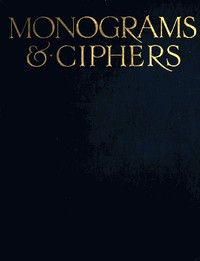
Monograms & Ciphers by A. A. Turbayne and Carlton Studio
Let's be clear from the start: this is not a traditional novel. 'Monograms & Ciphers' by A.A. Turbayne is a practical design book first published in 1900. It's a catalog, a how-to guide for creating ornate intertwined initials for everything from dinner plates to business cards. The text is matter-of-fact, showcasing alphabets, border designs, and decorative motifs from the Art Nouveau and Arts & Crafts movements.
The Story
There is no plotted narrative written by the authors. The 'story' here is entirely meta. It's created by the physical artifact of the book itself, especially if you find an old, used copy. The 'plot' unfolds through the traces left by its former owners: a cryptic note in pencil next to a specific cipher alphabet, a faint underline beneath the description of a 'secretive' monogram style, or a seemingly random newspaper fragment used as a bookmark. These elements transform the book from a simple reference into a potential artifact. You start asking questions: Who owned this? Why did they mark this particular page about 'concealed ciphers'? The book becomes a silent witness, and you become the detective piecing together a possible, unspoken history from the clues left behind in the margins.
Why You Should Read It
I love this book for the atmosphere it creates. Sitting with it feels like a direct connection to the past. The primary content is a beautiful snapshot of Edwardian design aesthetics—the elegance, the obsession with personal branding through stationery. But the magic is in the haunting gap between its intended use and what it might have become. It sparks the imagination like few novels can. You're not following a character's journey; you're inventing the journey yourself based on the eerie, tangible evidence in your hands. It celebrates the beauty of old books as physical objects that carry hidden, silent stories in their paper and ink.
Final Verdict
This is a niche but wonderful find. It's perfect for graphic designers, history lovers, and mystery fans who enjoy 'found footage' style stories. If you want a fast-paced thriller, look elsewhere. But if you love the idea of holding a piece of history and letting your imagination run wild with its secrets—if you enjoy the quiet thrill of the hunt in an antique shop—then this book is a unique treasure. Think of it as a beautiful art book that also happens to be the world's most subtle and elegant mystery game.
Legal analysis indicates this work is in the public domain. Preserving history for future generations.