
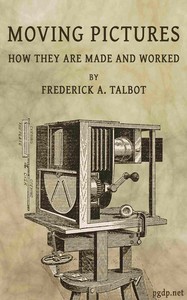
Moving Pictures: How They Are Made and Worked by Frederick Arthur Ambrose Talbot
Forget what you know about Hollywood. 'Moving Pictures' by Frederick Arthur Ambrose Talbot takes you back to the very beginning, when cinema was a dangerous, exciting experiment. Published in 1912, this isn't a novel; it's a front-row seat to the birth of an industry. Talbot acts as your guide through the workshops, studios, and open-air sets where magic was being made by hand.
The Story
There's no traditional plot. Instead, Talbot systematically walks you through the entire process of creating a film in the early 1900s. He starts with the raw materials: the chemistry of explosive nitrate film stock and the intricate clockwork of the cameras. Then, he takes you onto the set, describing how directors staged elaborate historical battles with a handful of extras, created convincing ocean storms on a tank of water, and used simple mirrors and double exposures to create special effects that stunned audiences. He explains the grueling work of the editor, physically cutting and splicing frames, and finishes with the drama of the projection booth, where a single mistake could literally set the theater on fire.
Why You Should Read It
Reading this book changes how you see movies. Today, effects are digital and cameras fit in our pockets. Talbot reminds us that every illusion was once a physical, tangible trick. The awe he has for a simple 'dissolve' transition is contagious. You gain a profound appreciation for the sheer ingenuity of those early pioneers. They were part-engineer, part-magician, and completely making it up as they went along. Talbot captures their spirit of chaotic invention perfectly. It makes modern filmmaking seem almost too easy, and it gives you a secret history—the next time you see an old black-and-white film, you'll know the crazy, risky, brilliant work that went into every second.
Final Verdict
This is a must-read for anyone who loves film history, early 20th-century technology, or just great stories about innovation. It's perfect for the curious reader who enjoys old Popular Mechanics magazines, for movie buffs who want to know the 'how' behind the magic, and for writers or creators who need a dose of pure, unfiltered inspiration. It's a technical book, but Talbot's genuine excitement makes it a page-turner. You're not just learning how they made movies; you're witnessing the moment we learned how to dream in a whole new way.
This masterpiece is free from copyright limitations. Knowledge should be free and accessible.

Karen Scott
1 year agoBeautifully written.