
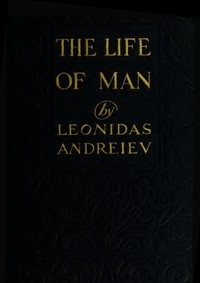
The Life of Man: A Play in Five Acts by Leonid Andreyev
Let's talk about The Life of Man. Forget a normal plot with twists and turns. This play is a stark, symbolic journey from cradle to grave, broken into five acts that feel more like vivid, painful paintings than scenes.
The Story
The play follows a character named simply 'Man.' We see him born into poverty, struggle for success, throw a lavish party in his moment of glory, face devastating loss, and finally die alone and forgotten. The real hook isn't the Man himself, but the ominous presence that oversees it all: 'Someone in Gray.' This silent, unmoving figure stands on stage holding a single burning candle. That candle is Man's life. We watch it flicker from a tall, bright flame at his birth to a guttering stub at his death. Every triumph and tragedy for Man happens under the shadow of that slowly diminishing light. It's less a story about what happens, and more about the chilling feeling of watching it happen, knowing the end is fixed and creeping closer with every line.
Why You Should Read It
I picked this up because I love early 20th-century drama, but this one hit differently. It's bleak, sure, but it's also weirdly gripping. Andreyev isn't interested in making you like the Man; he's making you feel the crushing weight of existence itself. The character feels like a stand-in for all of us. His struggles—for money, for status, for love—are so human, yet they're framed as a futile performance for a cosmic, indifferent audience (the 'Someone in Gray'). It made me ask big questions about free will and meaning in a way that felt immediate, not academic. The imagery is stark and powerful. That single candle on a dark stage is an image I can't shake.
Final Verdict
This isn't a play for someone looking for a comforting or action-packed story. It's a short, intense, philosophical punch to the gut. It's perfect for readers who enjoy existential thinkers like Kafka or the stark, moody worlds of early German Expressionist film. If you're a fan of theatre history, it's a fascinating example of Russian Symbolist drama. Most of all, read it if you want something that challenges you, sits with you, and makes you look at the candle on your own desk a little thoughtfully once you're done. Just maybe don't read it on a gloomy Monday.
Legal analysis indicates this work is in the public domain. You can copy, modify, and distribute it freely.
Noah King
8 months agoThis is one of those stories where the character development leaves a lasting impact. Worth every second.