
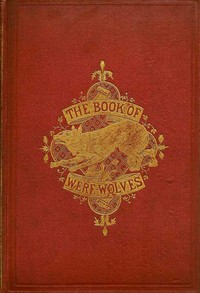
The Book of Were-Wolves by S. Baring-Gould
Forget everything you think you know about werewolves. The Book of Were-Wolves isn't a novel; it's a sprawling, eccentric, and utterly captivating tour through the real-world roots of the legend. Written in 1865 by Sabine Baring-Gould—a parish priest, folklorist, and fascinating character himself—this book acts as a guide. Baring-Gould gathers evidence like a scholar building a case. He trawls through medieval trial records, French court documents, Norse sagas, and medical texts, presenting a parade of historical accounts that are often stranger and more disturbing than fiction.
The Story
There's no traditional plot here. Instead, the 'story' is the journey of the myth itself. Baring-Gould starts by tracing the idea of human-animal transformation across ancient cultures. Then, he gets into the gritty details: the shocking 16th-century case of the French serial killer Gilles Garnier, who was tried as a 'werewolf'; accounts of berserkers and 'wolf-skin' warriors; and medieval theories about melancholy and madness that were diagnosed as 'lycanthropy.' He separates folklore about magical shapeshifters from the brutal reality of crimes where people either believed they became beasts or were accused of doing so. The book builds a picture of how fear, superstition, mental illness, and sheer violence fused together to create one of our most enduring monster stories.
Why You Should Read It
I loved this book because it reads like a conversation with a brilliantly knowledgeable, slightly quirky friend. Baring-Gould's voice is clear and often witty, even when discussing dark subjects. You get the sense of his genuine curiosity. The real thrill isn't in scares, but in those 'aha!' moments where you see the direct line from a historical murder trial to the Hollywood creature. It reframes the werewolf from a simple monster into a complex symbol—a way for past societies to process the horror of inexplicable violence, mental breakdown, and the beastly potential within humanity. It’s a masterclass in how folklore is born from the soil of real human fear.
Final Verdict
This is the perfect read for curious minds who love history, true crime, and mythology. If you enjoy podcasts that dissect the origins of legends or books that explore the darker corners of the past, you'll be hooked. It's not a light beach read—some passages are dense with old sources—but it's consistently rewarding. The Book of Were-Wolves is for anyone who has ever wondered why a particular monster sticks with us, and what that monster can teach us about ourselves.





Kevin Hill
1 year agoSimply put, it manages to explain difficult concepts in plain English. I couldn't put it down.