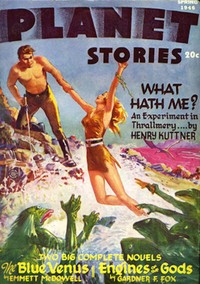
What Hath Me? by Henry Kuttner
Henry Kuttner was a master of packing big ideas into tight, punchy stories, and 'What Hath Me?' is a perfect example. Written in the 1940s, it feels surprisingly fresh because its central fear is timeless: the loss of self.
The Story
Paul wakes up. That's the simple part. The complicated part is everything else. He's in a bed that isn't his, in a room he's never seen, and when he looks down, the hands aren't his. His memories are his own, but his face, his name, and his entire life according to the people around him belong to another man named Marcus. His wife is a stranger who loves him, his job is unfamiliar, and the world has moved on without the 'real' Paul. The plot follows his desperate, paranoid scramble to figure out what happened. Is he insane? Is it a complex hoax? Or has his consciousness been somehow transplanted? The answer is weirder and more chilling than he could have imagined.
Why You Should Read It
This isn't an action-packed adventure. It's a psychological thriller dressed in sci-fi clothing. Kuttner builds a fantastic sense of creeping dread. You feel Paul's confusion and terror as his one solid anchor—his own identity—is ripped away. The real strength is in the mundane details that become horrifying: a signature that doesn't match, a loved one's touch that feels wrong, the simple act of not recognizing your own reflection. It makes you think: what makes you, you? Is it just a collection of memories, or is it something more? Kuttner plays with that question without ever giving an easy answer.
Final Verdict
This is a must-read for fans of classic, idea-driven science fiction and anyone who loves a good mind-bender. If you enjoy the tense, paranoid atmosphere of Philip K. Dick's stories but want something you can read in one sitting, Kuttner is your guy. It's also great for readers who might be skeptical of older sci-fi; the concepts here are so human and fundamental that the story hasn't dated. Perfect for a thoughtful, slightly unsettling evening read that will stick with you long after the last page.
This content is free to share and distribute. Use this text in your own projects freely.